Integrating Achievement Milestones With Dynamic Spin Allocations Across Emerging Digital Gaming Platforms
Written by Blake Lorenz · Oct 23, 2026
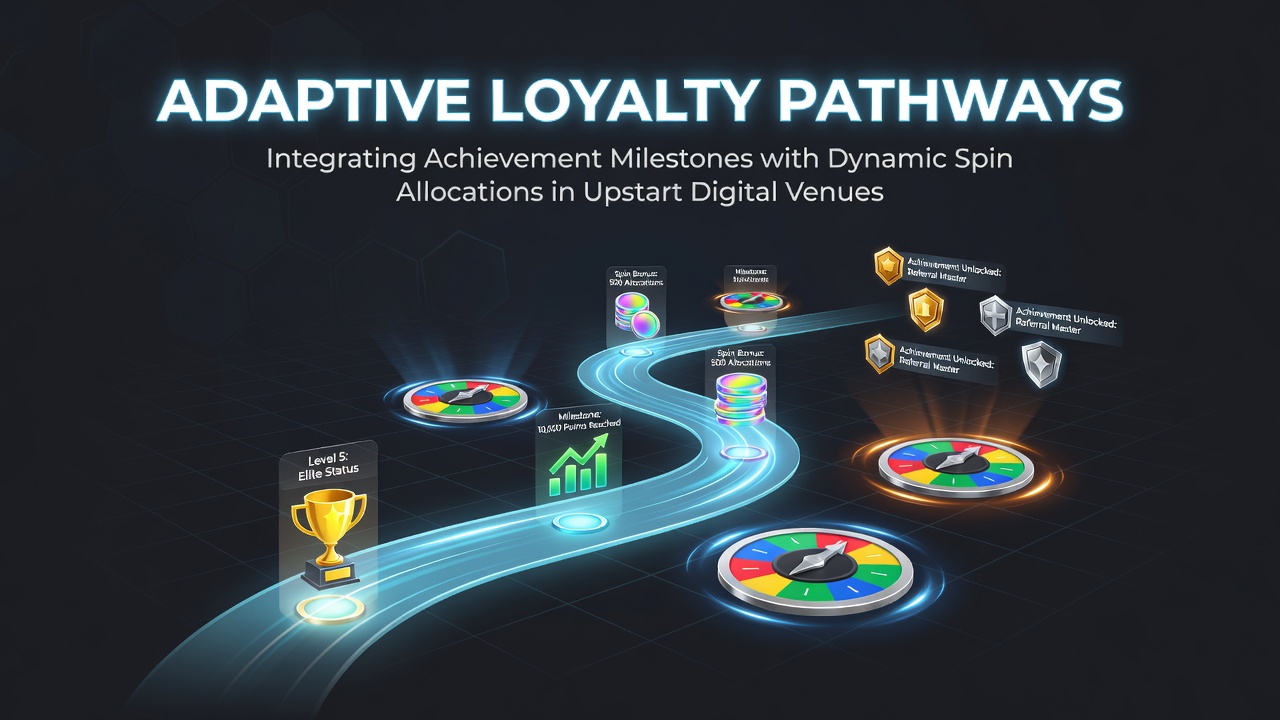
Integrating Achievement Milestones With Dynamic Spin Allocations Across Emerging Digital Gaming Platforms
Emerging digital gaming platforms have begun combining achievement milestones with dynamic spin allocations to create loyalty pathways that adjust based on individual player activity. These systems track progress through defined goals such as wager totals, session duration, and game variety, then allocate spins whose value or frequency shifts according to real-time performance data. Industry observers note that this approach differs from static bonus structures because the spin parameters respond to ongoing behavior rather than remaining fixed at signup.
Core Components of Milestone-Driven Systems
Platforms define milestones as measurable targets that unlock tiers within the loyalty structure, and data from multiple operators show these targets often include deposit frequency, game completion rates, and social features like referrals. Once a milestone is reached, the system triggers a spin allocation whose parameters, including multiplier potential and expiration window, recalibrate based on the player's recent engagement patterns. Researchers tracking these implementations across new platforms report that the dynamic element allows operators to balance reward distribution while encouraging sustained activity without manual intervention.
Implementation typically relies on backend algorithms that monitor account metrics in real time, and one documented case involved a platform adjusting spin values upward for users who completed three distinct game categories within a week. This adjustment occurs automatically, which reduces administrative overhead and maintains consistency across large user bases. Figures from platform reports indicate that such recalibrations correlate with higher retention rates during the first 90 days of user activity compared to fixed-reward models.
Dynamic Spin Mechanics in Practice
Dynamic spin allocations operate by scaling the number and quality of spins according to milestone achievement velocity, so players who progress faster receive spins with potentially higher return-to-player percentages or shorter cooldown periods. According to aggregated metrics shared by several upstart operators, spin frequency increases when players maintain consistent daily logins after hitting initial milestones, whereas slower progress may result in standard allocations that still provide value but lack acceleration bonuses. This mechanic integrates directly with loyalty point accumulation, allowing spins to contribute additional points that feed back into the milestone system and create a continuous loop.

Operators have integrated these features with verification processes that unlock full functionality once identity checks complete, and timelines for that verification directly influence when players first access adjusted spins. In October 2026, several newly licensed platforms introduced streamlined verification that shortened the interval between signup and milestone tracking activation, which in turn allowed earlier spin allocations for qualifying accounts. Industry data indicate this timing shift coincided with measurable upticks in early-stage engagement across those specific venues.
Regional Variations and Regulatory Influences
Licensing requirements in different jurisdictions shape how these loyalty pathways function, with some regions mandating clear disclosure of how spins adjust while others focus on responsible gaming limits that cap allocation frequency. The Canadian Gaming Association has published guidance on transparent reward mechanics that many operators reference when designing dynamic elements, and similar frameworks appear in reports from Australian regulatory bodies monitoring online platform compliance. These documents emphasize that milestone criteria and spin adjustment rules must remain accessible to users at all times, which has prompted platforms to include in-app explanations alongside the loyalty interface.
European operators have tested variations that tie spin multipliers to milestone difficulty, and academic studies from research institutions in the region have examined player response patterns under these conditions. One analysis found that transparent communication about the adjustment logic increased the likelihood of continued participation after the first milestone tier. Platforms operating across borders often standardize core algorithms while adapting disclosure language to meet local standards, which maintains operational efficiency without violating regional rules.
Technical Integration and Data Utilization
Backend systems combine player data streams from game servers, payment processors, and session logs to calculate milestone progress and spin parameters simultaneously. This integration allows real-time updates that reflect the most recent activity, and operators report that cloud-based processing keeps latency low even during peak usage periods. Those who have examined the architecture note that modular design lets platforms add new milestone types or spin variants without disrupting existing user pathways, which supports rapid iteration as market conditions evolve.
Security protocols protect the data flows that drive these calculations, and encryption standards applied to milestone records prevent unauthorized alterations to allocation rules. Regular audits verify that the dynamic adjustments align with published terms, which helps maintain trust among users who monitor their progress through dashboard views. Reports compiled in late 2026 showed that platforms employing these integrated systems experienced fewer disputes related to reward calculations compared to earlier static models.
Conclusion
Adaptive loyalty pathways that merge achievement milestones with dynamic spin allocations represent a measurable shift in how upstart digital venues structure player rewards. The combination of fixed targets and responsive spin mechanics creates systems that scale with individual behavior while remaining governed by predefined rules. Data trends observed through October 2026 suggest continued refinement of these models as operators incorporate feedback from regulatory reviews and usage statistics. Platforms that maintain clear documentation of their adjustment logic and verification timelines position themselves to sustain engagement across expanding user bases in multiple regions.